
Walk-In Showers vs Bathtubs: Which Is Right for Your Bathroom Renovation?
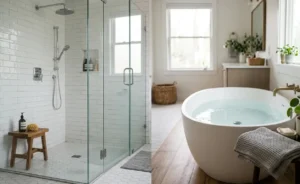
Bathroom renovations often require choosing between installing a walk-in shower or keeping a bathtub. This classic dilemma is the elephant in the room for many homeowners looking to update their spaces. Are you tired of staring at an outdated, unused tub? Or perhaps you are dreaming of a spa-like soaking experience to escape the daily grind? Whichever camp you fall into, both options profoundly affect space, accessibility, overall cost, and the future resale value of your home.
Some homeowners prefer the modern design and seamless accessibility of walk-in showers, while others deeply value the comfort, tradition, and versatility of bathtubs. Making the right call is not always a walk in the park. It requires taking a hard look at your daily routines, your family dynamics, and your long-term plans for the property.
This guide compares both options to help homeowners decide which is best for their renovation. We will explore the walk-in shower vs bathtub debate from every angle so you can make an informed, confident decision that suits your lifestyle perfectly.
Key Takeaways
- Assess Your Daily Routine: Your personal lifestyle should heavily dictate whether you choose a walk-in shower or bathtub renovation. Choose the fixture you will actually use.
- Space is King: Understanding how a walk-in shower vs. a tub for small bathroom spaces impacts your footprint is vital for achieving a functional layout.
- Safety First: Accessibility is a growing priority. Barrier-free showers offer incredible peace of mind for aging-in-place bathroom design.
- Consider the Market: Is a bathtub necessary for resale value? The short answer is yes, having at least one tub in the house remains a strong selling point for family buyers.
- Hire the Pros: Proper bathroom waterproofing and correct installation of bathroom plumbing fixtures require expert hands to prevent costly water damage down the road.
Walk-In Shower vs Bathtub — Quick Comparison
When embarking on a remodelling project, understanding the shower vs bathtub pros and cons is your very first step. It is easy to get lost in the weeds of beautiful tile samples and shiny hardware, but taking a step back to look at the hard facts will save you time and money. Below is a quick breakdown to help you compare these two fundamental bathroom fixtures.
| Feature | Walk-In Shower | Bathtub |
| Space Requirements | Highly adaptable. Excellent for tight footprints. | Requires a larger, fixed footprint. |
| Accessibility | Unmatched. Ideal for mobility challenges. | Can be difficult to step into safely. |
| Cleaning and Maintenance | Fast and straightforward, especially with large tiles. | Requires deep bending and heavy scrubbing. |
| Installation Cost | Generally higher due to custom tiling and glass. | Can be more budget-friendly (if standard size). |
| Design Flexibility | Endless customisation in shape, size, and finishes. | Limited to manufactured shapes and materials. |
| Best Use Cases | Master ensuites, small spaces, accessible bathrooms. | Family bathrooms, luxury spa-style bathrooms. |
This table acts as your compass. Whether you are leaning towards the sleek look of glass or the classic comfort of a deep soak, mapping out these essential differences sets the stage for a successful project.
Walk-In Showers — Benefits and Limitations
What Is a Walk-In Shower?
A walk-in shower is essentially a barrier-free shower or a glass-enclosed space designed for seamless, easy access. Unlike traditional setups that require you to step over a high curb or the wall of a tub, these showers feature low or completely flush entries. They often utilize a sleek shower glass enclosure to contain water without making the room feel closed off. The design relies heavily on precisely sloped floors and high-quality bathroom waterproofing to guide water directly to the drain.
Advantages of Walk-In Showers
There is a reason why so many homeowners in Toronto are making the switch. The walk-in shower benefits are extensive and highly appealing for modern living.
- Space-efficient design: They create an optical illusion of a much larger room. By removing the bulky visual weight of a tub, your bathroom instantly feels more open and airy.
- Easier accessibility: With no high ledges to navigate, they are incredibly safe. You can simply walk right in, which is a massive relief for anyone with sore joints or mobility issues.
- Modern aesthetic: If you want your home to look like it belongs in an interior design magazine, this is the way to go. Custom tile shower walls and minimalist hardware offer a sophisticated, clean look.
- Easier to clean: Who genuinely enjoys scrubbing grout behind a massive, curved tub? With flat surfaces and glass panels, maintaining a pristine shower requires much less elbow grease.
Potential Drawbacks
However, every rose has its thorn. Before you grab a sledgehammer to demolish your current setup, consider the limitations.
- No soaking option: A hard pill to swallow for bath lovers is the total loss of soaking therapy. If a long, hot bath is your favourite way to unwind on a Friday night, a shower simply will not cut it.
- May reduce appeal for families with small children: Bathing a toddler in a standing shower is akin to wrestling a slippery octopus. Families rely heavily on tubs for the bedtime routine, so a shower-only home might turn off a specific buyer demographic.
Bathtubs — Benefits and Limitations
Types of Bathtubs
If you are leaning toward keeping a tub, you are not short on options. The market is flooded with variations to suit any taste or spatial constraint.
- Built-in tubs: These are the standard workhorses of the bathroom world. They are typically installed in an alcove and surrounded by three walls.
- Freestanding bathtub: The undisputed crown jewel of luxury remodels. These stand entirely on their own, acting as a stunning focal point in a spacious room.
- Tub-shower combo: The Swiss Army knife of plumbing. This combination offers the best of both worlds, making it a highly practical choice for family homes.
Advantages of Bathtubs
There is a comforting tradition associated with drawing a bath, and the advantages go far beyond mere nostalgia.
- Relaxation and soaking: Nothing soothes aching muscles or washes away the stress of a brutal winter commute quite like a deep soak. It is your own personal wellness retreat.
- Useful for bathing children: As any parent will tell you, a tub is an absolute necessity for the chaotic joy of children’s bath time.
- Often preferred by homebuyers: Real estate agents frequently note that homes marketed to young families move faster when a quality tub is present.
Also Read: How Much Does a Bathroom Renovation Cost in Toronto?
Potential Drawbacks
Despite their charm, bathtubs are not without their headaches.
- Takes more space: They demand a significant amount of real estate. In a cramped city condo, giving up that much floor space might not be the smartest move.
- Harder accessibility for some users: Stepping over a wall 15 inches or higher onto a wet surface is a genuine slipping hazard. For many individuals, this daily obstacle is simply too dangerous.
- Higher water usage: Filling a large basin requires significantly more hot water than a standard five-minute shower, which can gently bump up your monthly utility bills.
Space Planning — Which Option Works Better?
Proper bathroom layout planning is the secret sauce to a successful renovation. You cannot fit a square peg in a round hole, and forcing a massive freestanding tub into a tiny room will only result in bruised shins and endless frustration.
When mapping out small bathrooms, every square inch counts. Homeowners often find that a custom walk-in shower opens up the room beautifully. Removing the visual barrier of a shower curtain or a bulky tub wall allows natural light to bounce around, making tight quarters feel surprisingly spacious.
Master bathrooms, on the other hand, offer a blank canvas. If the square footage allows, this is where you can indulge. A spacious walk-in shower paired with a separate freestanding tub is the gold standard for luxury.
Guest bathrooms generally see less daily traffic. A sleek, efficient shower is usually more than enough to keep your visiting friends and family comfortable, while keeping your cleaning routine manageable. Ultimately, discussing how walk-in showers can open up smaller spaces, while bathtubs work well in larger bathrooms, should be the first conversation you have with your contractor.
Accessibility and Aging-in-Place Considerations
We are currently seeing a massive shift in how homeowners view their properties. More people are planning for the future, ensuring their homes will support them through all phases of life. This is where aging-in-place bathroom design truly shines.
Renovations now frequently include a barrier-free shower. By eliminating the curb entirely, you create a space accessible to wheelchairs or walkers. Even if you do not need that level of accessibility today, designing a space that accommodates future needs is incredibly smart.
Furthermore, integrating safety features right from the start is becoming standard practice. Strategically placed grab bars provide essential stability on slippery surfaces. Modern grab bars are no longer the clinical, hospital-looking fixtures of the past. They now come in sleek finishes that perfectly match your other hardware. Additionally, incorporating built-in shower seating offers a comfortable place to rest while bathing.
It is clear why walk-in showers are often safer for older homeowners. The seamless entry and spacious interiors drastically reduce the risk of slips and falls, providing incredible peace of mind for both the user and their loved ones.
Bathroom Renovation Costs — Shower vs Bathtub
Let us talk numbers. Budgeting is often the most stressful part of any project, but breaking down the typical renovation costs takes the guesswork out of the process.
- Walk-in shower installation: Creating a custom shower requires skilled labour. Creating the slope, pouring the pan, and meticulously setting the tiles takes time and expertise.
- Bathtub installation: Dropping a standard acrylic tub into an alcove is generally quicker and less labour-intensive, often making it a friendlier option for tight budgets.
- Tile work: Custom tile shower walls are gorgeous but require a significant investment in both materials and highly skilled labour.
- Glass enclosures: A custom-cut shower glass enclosure is a premium product. Depending on the thickness and hardware, this can be a notable line item on your invoice.
- Plumbing adjustments: Moving existing bathroom plumbing fixtures is where costs can skyrocket. If you are keeping the drain and supply lines in their original locations, your wallet will thank you.
| Cost Factor | Walk-In Shower Impact | Bathtub Impact |
| Waterproofing | High (Requires extensive membrane systems) | Moderate (Focused mainly on the surround) |
| Material Costs | Variable (Depends heavily on tile choice) | Moderate (Depends on tub material like cast iron vs acrylic) |
| Labour Hours | Higher (Due to custom building and tiling) | Lower (For standard drop-in or alcove installations) |
Also Read: 8 Signs It’s Time to Renovate Your Bathroom
Home Value and Resale Considerations
If you plan to sell your home in the next five to ten years, you must consider the market. A frequent concern is: Should I remove my bathtub in a bathroom remodel? It is a great question.
There is a key renovation rule in real estate: many buyers still expect at least one bathtub in a home. Alienating families with young children by stripping out every tub is a risky manoeuvre that could leave your property lingering on the market.
When analyzing bathtub vs shower resale value, the consensus among experts is clear. The best strategy is to keep a functional tub in the family bathroom while installing a luxurious walk-in shower in the master bathroom. This balanced approach guarantees you appeal to the widest possible demographic. It offers the practicality parents need downstairs and the highly desired spa-like escape for adults upstairs.
How to Decide What’s Best for Your Bathroom Renovation
Still on the fence? Let us break this down into a simple decision framework. Choosing between these options does not have to be a guessing game.
Choose a walk-in shower if:
- The bathroom space is limited, and you want to visually expand the room.
- accessibility is important for you or an aging family member.
- You prefer a modern design with sleek, minimalist lines.
- You simply never take baths and want to reclaim that wasted footprint.
Choose a bathtub if:
- You have young children or are planning to grow your family.
- Relaxation baths are an important part of your personal wellness routine.
- Resale expectations require one tub in your specific neighbourhood.
- You have a massive layout and want to create a dramatic, luxurious focal point.
Common Bathroom Renovation Mistakes
Even with the best intentions, it is easy to veer off course. Avoid these pitfalls to ensure your project is a resounding success.
Removing the only bathtub in the house is a common regret. As mentioned, this can seriously hurt your home’s marketability. Unless you plan to live in the house forever and truly do not care about future buyers, keep at least one tub.
Ignoring waterproofing requirements is perhaps the most dangerous mistake you can make. Subpar bathroom waterproofing behind your gorgeous new tiles will lead to devastating leaks, dangerous black mould, and structural damage. This is one area where cutting corners will absolutely cost you twice as much in the long run.
Poor drainage planning is another nightmare scenario. If the floor is not sloped perfectly, you will end up with standing water. This leads to slippery floors, persistent grime, and a generally miserable shower experience.
Choosing fixtures that do not fit the layout happens more often than you would think. Falling in love with a massive freestanding tub is easy, but if installing it means you can barely squeeze past the vanity, you have created a daily annoyance. Furthermore, neglecting proper bathroom ventilation when installing heavy glass enclosures will result in a room that traps steam, peels paint, and breeds mildew. Always ensure your exhaust fan is up to the task.
Also Read: Bathroom Renovation Mistakes to Avoid: Tips from Expert Contractors
Why Professional Bathroom Renovation Planning Matters
Embarking on a renovation is a major financial and emotional investment. A professional renovation team helps homeowners balance design, daily function, complex plumbing requirements, and long-term property value. They see the possible issues before they become expensive realities. MPREX is a trusted bathroom renovation expert that helps homeowners design functional, breathtaking bathrooms tailored to their exact specifications. By partnering with seasoned professionals, you avoid the common pitfalls and ensure that your new space is safe, fully compliant with building codes, and built to last a lifetime. Do not leave your dream bathroom to chance.
Start Planning Your Bathroom Renovation
Making a Splash: The Final Verdict on Your Ideal Bathroom Upgrade
Navigating the choice to replace a bathtub with walk-in shower enclosures or stick to a classic tub setup comes down to your unique lifestyle, the constraints of your floor plan, and your vision for the future. We have covered the space-saving magic and accessibility of modern showers, alongside the undeniable relaxation and family-friendly appeal of a good soak. By carefully weighing the daily function against long-term resale value, you can confidently build a space that serves you perfectly. Whether you are aiming for a highly efficient condo update or a sprawling suburban retreat, the right layout transforms your daily routine.


