
The Ultimate Kitchen Renovation Checklist: Plan Your Dream Kitchen Step-by-Step
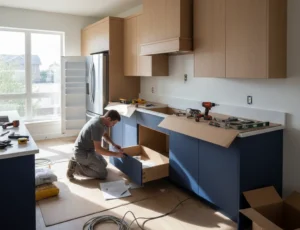
A kitchen renovation is many things. I can be one of the most rewarding home improvement projects you can do, but also one of the most complex and potentially most frustrating. Between budgets, timelines, permits, design decisions, and coordinating of trades, there are a lot of ingredients in this pot, and, unfortunately, things can go sideways faster than a pot boiling over on high heat if you don’t have a clear plan in place.
That’s exactly why a detailed kitchen renovation checklist matters.
So, it’s quite a convenient coincidence that we have such a checklist right here, right? Read on to find out how to properly do your kitchen renovation planning from start to finish in clear, manageable kitchen renovation steps. So, whether you’re a first-time renovator, a busy professional, or a just Toronto homeowner focused on long-term home resale value, this checklist will help you stay organized, informed, and confident throughout your kitchen remodel.
By the end, you’ll know what to do, when to do it, and where professional support makes the biggest difference. You’ll also see how MPREX approaches professional kitchen renovation projects and how we can be just the partner you need to get your perfect kitchen.
Key Takeaways Before You Start
- A kitchen renovation checklist reduces costly mistakes and decision fatigue.
- Kitchen renovation costs are easier to control with early budgeting and contingency planning.
- Kitchen layout design impacts daily function more than any single finish.
- Plumbing and electrical upgrades require permits and professional expertise.
- A realistic kitchen renovation timeline depends on planning, lead times, and inspections.
- Hiring the right kitchen renovation contractor in Toronto can save time, money, and stress.
Step 1 — Define Your Kitchen Renovation Goals
Before you even start looking at cabinets, countertops or tile samples, there is the vision. No, we’re not talking about getting a crystal ball, but ask yourself a few honest questions. Because without clear goals, even the most beautiful kitchen can end up feeling like a well-dressed stranger in your own home.
Start by asking a few honest questions.
- How do you actually use your kitchen today?
- Is it a serious cooking space, a family hub, an entertaining zone, or all of the above?
- What frustrates you about your current layout
- Is there not enough storage?
- Do you have poor lighting?
- Is there a traffic jam every time someone opens the fridge?
Sure, style matters, too, but the answers to those questions will give you the foundation you need. You can match any design, whether modern, traditional or transitional, into any lifestyle, but first and foremost, your kitchen has to work for you. Think about must-have features versus nice-to-haves. An island with seating might be essential, a built-in coffee station might be optional, that kind of stuff. Trust us, this will come in handy once you start calculating your budget and might have to make some tough decisions.
Also consider your long-term plans. Are you staying for years, or is this renovation partly about boosting home resale value? Those answers, too, will help you make material and layout choices and set budget priorities.
Clear goals set your renovation on the right foot and will also help you make conversations with your contractor much more productive.
Step 2 — Set a Realistic Kitchen Renovation Budget
The budget is one of the biggest hurdles to overcome because this is the first time where your wish list and reality might collide. Kitchen renovation costs can vary widely depending on scope, materials, and labour, and one of the biggest and most common renovation mistakes homeowners make is setting a budget that ignores reality.
In Toronto, kitchen renovations often range from mid-five figures to six figures, depending on their complexity, so they’re not a small project you can just squeeze between things. Labour typically accounts for a significant portion of the budget, especially when plumbing and electrical upgrades are involved. At the same time, materials like custom kitchen cabinets, kitchen countertops, flooring, and appliances make up most of the rest.
But it’s the hidden costs that catch many homeowners off guard. Building permits, waste disposal, temporary kitchen setups, and inspection fees all add up, and that doesn’t even factor in that any renovation budget should have a contingency of 10 to 20 percent, because, unfortunately, the sad truth of renovation is that sometimes you will find things behind walls or under floors that you couldn’t have foreseen and could throw a wrench into everything.
Professional kitchen renovation planning helps account for these costs early. When your contractor understands your goals and layout changes from the start, there are fewer surprises later, and fewer surprises mean fewer awkward budget conversations halfway through the project.
Step 3 — Choose the Right Kitchen Layout
So, you’ve asked yourself the right questions, you have a good grasp on your budget, now let’s have daily life meet design theory. Kitchen layout design is one of the most impactful and important decisions you’ll make for the entire budget. You can have the most beautiful kitchen in the world, but if it doesn’t flow well, it will frustrate you every single day.
Popular layouts include galley, L-shape, U-shape, and open-concept designs, some of which may depend on the space you have available. Each has strengths depending on space and usage, which ties in with the questions you’ve asked yourself in step 1. The classic kitchen work triangle, connecting the sink, stove, and fridge, still matters, even in modern layouts.
Traffic flow is critical because you want to avoid bottlenecks where people gather or pass through; you don’t want your kids zooming through where you’re handling hot pots and pans. Accessibility also matters, especially if you’re planning to age in place. Given the scope of kitchen renovations, you’ll want to ensure everything is taken care of in one go.
Storage is one of the most overlooked aspects of a kitchen, because you want everything within reach without clutter. So, enter smart storage planning. We’re talking deep drawers, corner solutions, and vertical storage that often deliver more value than simply adding square footage.
If your layout changes involve moving walls, windows, or structural elements, you’re entering the zone where professional expertise becomes non-negotiable. Structural changes affect permits, inspections, and safety, and that’s where experienced contractors earn their keep.
Step 4 — Select Cabinets, Countertops, and Storage Solutions
Now, we’re finally talking about what everything is going to look like, and cabinetry and surfaces will define the usage, look and longevity of your kitchen.
Custom kitchen cabinets offer maximum flexibility, storage efficiency, and aesthetics, especially in older Toronto homes with non-standard dimensions. However, this flexibility also comes at a cost because everything has to be made from scratch as you order. Semi-custom options can balance cost and customization and are a great way to get the best of both worlds, while stock cabinets may work for simple layouts and tight budgets, but often limit design options.
Material durability is one area you should not skimp on. Kitchens are high-use spaces; there’s no way around that. Cabinets should handle moisture, heat, and daily wear, and countertops need to stand up to spills, cuts, and heat. That’s when you start looking into materials that can give you both, such as quartz, granite, laminate, and solid surface materials, each with its own pros and cons in terms of maintenance and cost.
When thinking about storage, consider smart solutions like pull-out pantries, drawer organizers, and built-in recycling systems, which will not only provide storage but also enhance functionality far more than you might expect.
Finally, think long-term value. Spending a bit more on quality cabinetry often pays off because it will be more durable and can be another bargaining chip in the case of a resale.
Step 5 — Plan Plumbing, Electrical, and Mechanical Upgrades
What happens behind the walls is just as important as what you see, maybe even more.
Once you start relocating sinks, dishwashers or appliances, you will always have to relocate plumbing and drainage. Similarly, modern kitchens are much more demanding on electrical capacity, as appliances draw more power and charging stations and layered lighting are added.
Speaking of lighting, kitchen lighting design deserves special attention. A good plan includes task lighting for work areas, ambient lighting for overall brightness, and accent lighting for visual interest, so you get the most out of it. Poor lighting is actually one of the most common kitchen renovation regrets.
Especially in kitchens, ventilation is critical, so you have to spend extra attention to proper range hood selection and ducting to ensure air quality and code compliance.
Which brings us to another vital point that many homeowners tend to overlook: All of this work requires building permits and inspections. Skipping permits may seem tempting, both for time and monetary reasons, but it can create serious issues during resale or insurance claims. Professional contractors ensure everything is installed safely, inspected properly, and documented.
Step 6 — Choose Finishes, Fixtures, and Appliances
This is the fun part, but it still benefits from structure.
Let’s start with the appliances. While it might be tempting to employ the “go big or go home” tactic, they should match your layout and electrical capacity. Bigger is not always better; for example, a three-person household doesn’t need a wide double-door fridge that could feed a restaurant. Ventilation and clearance also matter more than many people think; your stunning range won’t bring much if it doesn’t fit properly.
Your backsplash is one of those kitchen elements that’s often undervalued. It doesn’t just protect your walls; it can also add personality to the space. On the other hand, flooring should obviously look good, but also be able to handle spills, foot traffic and temperature changes, so form and function definitely have to go hand in hand here more than in any other room of the house. Hardware and fixtures sometimes are treated as an afterthought, but it’s those little details that can bring a kitchen really together, and, of course, you use them every day, so they’re also critical for the performance.
We talked about modern kitchens being more electricity-consuming. This makes energy efficiency an even bigger factor than it already is for many people, so consider energy-efficient appliances to both reduce your operating costs and also appeal to future buyers.
The key is balance. Choose finishes that reflect your style without sacrificing durability or function.
Step 7 — Create a Kitchen Renovation Timeline
One thing about kitchen renovations is that they take time, and rushing the process often leads to avoidable mistakes. A typical kitchen renovation timeline can range from several weeks to a few months, depending on the scope of work. Factors like cabinet and appliance lead times, scheduling inspections, and coordinating multiple trades can all affect how long a renovation really takes. For a detailed look at what a realistic timeline looks like and how long each phase usually lasts, see our blog: How Long a Kitchen Renovation Really Takes.
Professional project management keeps everything moving in the right order, ensuring trades are coordinated, materials arrive on time, and inspections occur when they should.
One often-overlooked detail is that you have to plan for limited kitchen access during the renovations. Temporary cooking setups and realistic expectations go a long way toward preserving your and your family’s sanity, because you don’t want to have to rely on take-out twice a day.
Also Read: Professional Vs DIY Home Renovation: Which Is Right For You?
Step 8 — Decide Between DIY vs Professional Kitchen Renovation
There’s no doubt about it, there is a place for DIY in home improvement. However, kitchens are not the place to learn on the fly.
Painting, minor demolition, or simple hardware installation may be DIY-friendly, but once you get into plumbing, electrical, structural changes, and cabinetry installation, you are entering firm professional renovation territory. Improper installation can lead to safety risks, code violations, and costly repairs.
Fixing DIY mistakes often costs more than doing it right the first time, even more so if you have to hire a professional to fix them. Kitchens benefit more than almost any other space from professional kitchen renovation expertise.
Step 9 — Hire the Right Kitchen Renovation Contractor
Your contractor is your partner throughout the entire renovation, so choosing the right one matters.
Look for proper licensing, insurance, and clear references; we can’t stress that enough. You don’t want to entrust something as vital as your kitchen to some fly-by-night operation that might leave you stranded halfway through or leave you with a dysfunctional kitchen. Always insist on written estimates and detailed contracts, because they protect both sides. And the nature and complexity of a kitchen renovation make strong communication and project management standards non-negotiable from beginning to end.
An experienced kitchen renovation contractor in Toronto understands local building codes, permit requirements, and inspection processes, and it’s this knowledge that will save time and prevent costly errors.
You Might Also Like: How to Find a Good Renovation Contractor Toronto
Step 10 — Final Walkthrough, Inspection, and Maintenance Planning
The final stage ensures quality and peace of mind for both sides.
During a final walkthrough, you can check off the list and see if there are any punch list items left to finish before the final inspections confirm that the entire renovation is up to code. Finally, you can rely on warranty documentation protecting your investment, something that you won’t have if you go DIY as well, just something to keep in mind.
Good contractors also provide guidance on care and maintenance so your kitchen performs well for years to come.
Common Kitchen Renovation Mistakes to Avoid
Even well-intentioned homeowners can hit roadblocks.
- Poor planning leads to rushed decisions.
- Underestimating the budget and timeline creates stress.
- Choosing style over function leads to daily frustration.
- Skipping permits creates legal and resale issues.
- Hiring inexperienced contractors often results in rework.
A solid kitchen remodel checklist helps you avoid these traps and make your kitchen renovation much smoother and more manageable.
Why Homeowners Trust MPREX for Kitchen Renovations
MPREX brings decades of experience in professional kitchen renovation services to the table, with a strong focus on planning, craftsmanship, and clear communication. From the initial kitchen renovation planning to the final inspection, we manage every step with full transparency and accountability, so you never feel like you’re just on the outside looking in.
Homeowners across Toronto and the GTA trust MPREX because our process is transparent and straightforward, our work is code-compliant, and the results are built to last. We treat your kitchen as a vital, functional system, not just a design project.
Turning Your Kitchen Vision Into Reality, One Smart Step at a Time
Planning a kitchen renovation can feel overwhelming, we totally get that, but it doesn’t have to be. With a clear kitchen renovation checklist, realistic budgeting, thoughtful design, and professional execution, the process becomes far more manageable and even enjoyable.
From defining goals and setting a budget to managing timelines, permits, and inspections, every step plays a role in the final result, so it’s not just one thing that makes or breaks a project. When done right, a kitchen renovation will give you the best balance between boosting daily life, improving functionality, and adding lasting value to your home.
Planning a kitchen renovation? Contact MPREX to design and build a kitchen that fits your lifestyle, budget, and long-term goals.


