
Basement Finishing vs Basement Remodeling: What’s the Difference?
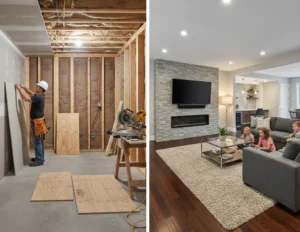
Have you ever stood at the bottom of your basement stairs, looked around, and wondered whether you should “finish it” or “remodel it?” It’s a question many homeowners ask themselves, and just as many wonder what the actual difference is. These two terms get mixed up more often than a load of laundry with a rogue red sock, and plenty of Toronto homeowners use them interchangeably, but the truth is that basement finishing and basement remodelling are actually very different projects with different goals, budgets, timelines, and long-term impacts on your home.
And picking the wrong approach? Well, that can lead to a host of issues, from overspending and design regrets to a final layout that doesn’t actually meet your family’s needs, so it’s very important to know the differences before making a decision. At MPREX Inc., we help homeowners make sense of their basement possibilities so they can choose the right direction from the very start. So, whether you want to grow your usable space, increase property value, or finally claim a quiet home office, it all starts with the right decision.
Key Takeaways
- Basement finishing transforms an unfinished space into livable square footage.
- Basement remodelling updates or changes an existing finished basement.
- Costs differ based on moisture control, basement insulation, plumbing, layout changes, and labour.
- Basements require strict code compliance, including a basement building permit and legal basement bedroom egress.
- MPREX provides moisture-first basement planning, clear budgeting, and high-quality work.
What is Basement Finishing?
Basement finishing is the process of converting an actually unfinished lower level into usable, comfortable, code-compliant living space. Think concrete floors, exposed joists, and visible ductwork being transformed into a warm family room, a play zone for the kids, or a quiet place to work. This means your basement is essentially not a living space (yet). So, if your basement looks like a scene from an early 2000s home makeover show before the reveal, finishing is probably your first step.
What’s involved in basement finishing?
A standard finishing project usually includes:
- Framing new walls and rooms
- Installing proper basement insulation
- Running electrical and lighting
- Adding drywall
- Installing flooring
- Adding ceilings
- Painting and trim work
In other words, it is the essential build-out. Many homeowners also choose to add a bathroom, storage room, or laundry area during this stage if the plumbing layout allows it, so they don’t have to bring in contractors twice.
When is finishing the right choice?
Basement finishing is ideal when:
- Your basement is bare concrete and exposed framing
- You need more functional space without major layout changes
- You want to increase your home’s resale value
- You have a growing family and need another bedroom or recreation area
- You are preparing a rental suite and want a clean foundation
Most real estate professionals in Toronto will tell you that, especially in today’s heated housing market, adding liveable space through finishing is one of the strongest equity boosters available.
Understanding the finished basement cost
Calculating finished basement cost can vary wildly depending on the size of your basement, the materials chosen, and any additional features like a bathroom or wet bar, so to get an actual estimate of how much it might cost you, you’ll have to get a professional basement renovation company to come in for a free consultation. The overall cost to finish basement spaces generally starts with basic construction and increases as you add complexity.
Generally, a typical finishing project is more straightforward and predictable than a remodel because you basically start with a clean slate, making it appealing for homeowners who want a clear timeline and budget from the beginning.
What is Basement Remodelling?
Where finishing is creating a liveable basement from scratch, basement remodelling is giving an already finished basement a much-needed makeover or functional overhaul. Maybe your basement was finished twenty years ago with carpet that could tell stories we don’t want to hear, or perhaps it feels choppy, dark, or outdated. Or maybe your lifestyle has changed, and you now need more open areas or enhanced storage, for example, if your family has grown.
Remodelling is focused on upgrading, modernizing, or completely rethinking what is already there.
What’s involved in basement remodelling?
A basement remodel may include:
- Removing or relocating walls
- Upgrading electrical or plumbing systems
- Adding a bathroom, bar, laundry room, gym, office, or home theatre
- Improving layout flow with a new basement layout design
- Enhancing lighting and ceiling height solutions
- Replacing outdated flooring
- Soundproofing or insulating previously finished walls
- Changing the entire function of the space
Since these projects often involve more of your home’s existing elements, they will require more planning and experienced oversight.
Structural and mechanical considerations
Remodelling projects often involve reworking plumbing stacks, adding circuits to overloaded electrical panels, or strengthening framing, all of which require experienced, licensed craftspeople. You may also need to update older insulation or vapour barriers that do not meet current standards, especially in older Toronto homes, to ensure your home remains code-compliant.
Even small changes can quickly snowball into bigger decisions, which is why having a basement renovation contractor who understands below-grade moisture behaviour, ventilation, and code compliance is critical.
Understanding the basement remodelling cost
The basement remodelling cost depends on the same factors as the basement finishing cost, but also includes the degree of structural changes, the quality of finishes, whether plumbing or electrical changes are needed, and how modern or specialized the upgrades are. Because remodels require more labour-intensive demolition and reconstruction, they typically cost more than standard finishing projects.
Also Read: How Long Does a Basement Remodel Take? Timeline Explained
Key Differences (Side-by-Side Comparison Table)
Let’s have a quick side-by-side comparison of the biggest difference between the two of them:
| Feature | Basement Finishing | Basement Remodelling |
| Starting Point | Unfinished concrete shell | Already finished space |
| Typical Work | Framing, drywall, insulation, flooring | Layout changes, plumbing, electrical upgrades |
| Complexity | Low to moderate | Moderate to high |
| Average Cost | Lower | Higher |
| Timeline | Predictable | Variable |
| Value Gained | New usable square footage | Modernized functionality |
| Best For | Bare or outdated space needing basic build-out | Lifestyle upgrades or layout charges |
Moisture, Insulation & Air Quality: The “Invisible” Basement Essentials
One thing most homeowners don’t think about, and many contractors also gloss over: A basement project shouldn’t start with selecting paint colours or flooring. It should begin with moisture, ventilation, and insulation. Skipping these steps is like putting a fancy new roof on a treehouse with no supports.
Foundation moisture inspection and waterproofing
Toronto’s climate is no stranger to moisture, and neither are our basements. Every project should have a proper inspection to determine whether you need waterproofing or crack sealing before any finishing or remodelling work begins. If ignored, water issues can quietly destroy drywall, flooring, and insulation and damage what has been so carefully built.
Vapour barrier placement pitfalls
As strange as it may sound, improper vapour barrier installation can actually trap moisture rather than prevent it. The result is mould growth, unpleasant odours, and reduced insulation performance, which can set you back considerably. MPREX ensures vapour barriers are installed in accordance with the Ontario Building Code and building science principles.
Effective basement insulation
Basements lose heat faster than main floors, so you need proper basement insulation to keep your home energy-efficient and prevent condensation in your walls. Not all insulation types are equal, so choosing the right one affects long-term comfort.
Radon testing before finishing
Most people have heard of carbon monoxide as a silent killer, but radon is another invisible threat that many homeowners never consider. Testing before your renovation ensures your basement meets health and safety standards.
HVAC and ventilation considerations
Basements, by nature, have worse airflow than main floors, so they need proper airflow to prevent stale, humid, or stuffy conditions. Ventilation upgrades ensure the space feels comfortable year-round.
Code Requirements & Safety Considerations
This is another sector that homeowners either don’t know about or brush aside. A finished or remodelled basement must meet Ontario Building Code requirements. Professional contractors help you avoid costly setbacks and failed inspections, as a missing permit can lead to fines or even requiring the renovation to be returned to its original state.
Egress windows
If you plan on adding a legal bedroom in the basement, a legal basement bedroom egress window is required. It’s a life-safety feature that ensures occupants can escape in an emergency.
Electrical panel capacity
Adding outlets, lighting, a home theatre system, or electric heating may require an electrical panel upgrade. Overloaded panels are not only inconvenient but also dangerous.
Fire resistance and safety
Some walls, ceilings, or furnace rooms require fire-rated assemblies. When done correctly, they add a layer of protection without compromising the design and should never, ever be neglected.
Permits and inspections
A basement building permit ensures your project meets structural, electrical, plumbing, and safety standards. Inspections must also be conducted at key stages of construction to verify compliance as you go, avoiding expensive surprises after the fact.
Which Option Adds More Value to Your Home?
Your home’s value is calculated based on a variety of factors that can be summarized as usability, comfort, and modern appeal. Both finishing and remodelling can improve value, but in different ways.
Finishing for maximum square footage
If you want to add a new livable space to your home, finishing is the best way to do so. It increases total usable area, and buyers always appreciate an additional recreation room, office, or guest room. Especially if you’re an investor, finishing provides a strong return on investment.
Remodelling for lifestyle improvements
A remodel takes the livable space you already have and enhances the existing functionality of your basement. You can convert it into a gym, home theatre, wet bar, or in-law suite, making the home more desirable and convenient. While the value increase is less square-footage-based, it is lifestyle-driven.
Which should you choose?
If your basement is bare, start by finishing it. If it is finished but outdated or not working for you, then remodelling it is. Book a consultation with MPREX today to let us help you evaluate your goals, budget, and existing conditions so you can choose confidently.
Popular Basement Space Ideas
Basements are basically blank canvases, and you can transform them into a real gem of your home. Here are some of the most in-demand basement transformations in Toronto:
- Family recreation room
- Guest bedroom or in-law suite
- Home office or remote workspace
- Fitness or home gym
- Wet bar, kitchenette, or home theatre
Whether you are looking for modern, minimalist, cozy, or luxurious, a well-designed basement layout design solution can bring your vision to life.
How to Choose the Right Renovation Approach (Decision Framework)
Not quite sure yet whether finishing or remodelling suits your needs? Use this quick framework.
Step 1. Check the condition of your basement
Is it dry, clean, and structurally sound? If yes, you may be ready to finish. If not, any moisture issues must be solved before anything else.
Step 2. Determine whether layout changes are needed
If you need to add or move rooms, remove walls, or significantly reconfigure the space, you are leaning toward a remodel.
Step 3. Assess plumbing and electrical needs
Adding a bathroom, wet bar, or laundry room requires plumbing rough-ins and electrical upgrades. Remodelling offers more flexibility but requires more labour.
Step 4. Align your budget with long-term goals
Finishing is often more cost-effective up front, while remodelling is a long-term investment in better function, comfort, and design.
When in doubt, MPREX helps you weigh your priorities and plan strategically.
Why Work With a Professional Basement Contractor Like MPREX
Basements sit below grade, which makes them inherently more complex than main-floor renovations. Partnering with experienced professionals will protect your investment and ensure a safe, high-quality build.
Expertise in building science
MPREX understands moisture behaviour, air quality, insulation performance, and foundation conditions, so we know how to detect and fix all problems before the renovation itself starts.
Transparent budgeting and clear documentation
You should know exactly what you are paying for. Our detailed scopes and cost breakdowns are transparent, eliminating surprises.
Reliable scheduling and communication
We completely understand that home improvements can be stressful. That’s why we make timelines clear, keep you updated, and ensure efficiency from start to finish.
Custom design support
Every basement is different. We help homeowners match their vision with the smartest design approach for the best possible outcome.
Ready to transform your basement? Contact MPREX for a design and renovation consultation.
Finishing vs Remodelling: Choosing the Right Path for Your Basement
Finishing transforms an empty shell into a functional living space. Remodelling updates or reimagines an existing finished basement to suit your lifestyle better. Both add value to your home in different ways, and both require thoughtful planning, proper moisture control, and code-compliant construction to ensure you get the most out of them.
If you want more space, more comfort, or more modern design, your basement is full of potential waiting to be unlocked. MPREX is here to guide you from planning to final reveal with experience, transparency, and craftsmanship you can rely on.
Ready to take the next step? Contact MPREX today to plan your custom basement transformation.
FAQs
How long does it take to finish a basement?
Timelines vary depending on size, complexity, and materials. For more details, see “How Long Does a Basement Renovation Take? Timeline Explained”.
Do I need a permit for basement finishing?
Yes. Most finishing projects require a basement building permit to meet Ontario safety and structural standards.
How much does a basement remodel cost?
Costs depend on layout changes, plumbing, electrical needs, and material choices. For deeper insight, check out “How Much Does a Basement Renovation Cost in Toronto?”
What type of flooring works best in basements?
Vinyl plank, engineered hardwood, and tile are common choices because they handle moisture better than solid hardwood.
Can I DIY any parts of the job?
DIY can work for painting, some flooring installation, and décor. But structural work, plumbing, electrical, or insulation should always be handled by a professional basement renovation contractor.


