
Modern vs Traditional Kitchens: Which Style Fits Your Home?
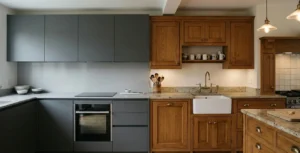
Planning a kitchen renovation is a bit like planning a wedding. You start with a Pinterest board full of dreams, and suddenly you are knee deep in logistics, budget spreadsheets, and opinions from your mother-in-law. But the biggest fork in the road usually comes right at the start: deciding between modern vs traditional kitchens. It is more than just picking a cabinet door or a paint colour. It is about defining the heartbeat of your home.
We see this struggle every day at MPREX. You might love the sleek look of a modern kitchen design you saw in a King West condo, but you live in a High Park Victorian that screams for character. Or perhaps you are worried that going too traditional will make your home feel dated before the paint even dries. The goal is not just to build a kitchen that looks good on Instagram today. It is to help you choose a style that respects your home’s architecture, fits your chaotic lifestyle, and holds its value when you eventually decide to sell.
Key Takeaways for Your Renovation Journey
- Architecture Matters: A hyper-modern kitchen in a heritage home can feel jarring, just as a farmhouse kitchen feels out of place in a glass-walled condo. Context is king.
- Lifestyle Drives Design: If you hate wiping fingerprints, high-gloss modern cabinets might be your nemesis. If you need hidden storage for small appliances, traditional cabinetry often offers more volume.
- Resale is Real: Timeless kitchen design usually wins over aggressive trends. The best kitchen style for resale is one that feels like it belongs to the house, not just the current year.
- Hybrids are Healthy: You do not have to pick a side. Transitional kitchens (a blend of both) are the most popular choice in Toronto for a reason.
What Defines a Modern Kitchen?
When we talk about modern kitchen design, we are not just talking about what is trendy right now. True modern design has roots in the mid-20th century, prioritizing function over fluff. It is the architectural equivalent of a well-tailored suit: clean, sharp, and void of unnecessary accessories.
Key characteristics of modern kitchens
The defining feature here is the horizontal line. Modern kitchens emphasize width and openness. You will notice a distinct lack of ornamentation. There are no crown mouldings, no raised panels, and often no hardware at all. Everything is stripped back to its essential form.
Clean lines are the law of the land. The goal is to create a sense of calm and order. Minimal ornamentation means the beauty comes from the materials themselves rather than carved details. Furthermore, integrated storage and appliances are crucial. In a truly modern kitchen, you might play a game of “where is the fridge?” because it is perfectly panelled to match the cabinetry.
Common materials and finishes
In the modern kitchen vs traditional kitchen debate, materials are the biggest differentiator. Modern spaces lean on man-made or heavily processed natural materials to achieve consistency. You will often see:
- Quartz and Solid Surface: For countertops that look uniform and clean.
- Lacquer and High-Gloss: Cabinetry that reflects light and makes a space feel larger (a massive plus for Toronto condos).
- Glass and Metal: Stainless steel backsplashes or frosted glass cabinet doors add an industrial edge.
- Exotic Woods: When wood is used, it is often a flat-grain walnut or oak with no stains, letting the natural grain serve as the only pattern.
Layout and functionality focus
Modern layouts are often dictated by the “zone” concept rather than the classic work triangle. Because modern homes often feature open floor plans, the kitchen is on display 24/7. This means the layout must hide the mess. You will see massive islands that serve as dining tables, prep zones, and home offices all at once. The functionality is fierce; if it does not have a purpose, it does not get built.
What Defines a Traditional Kitchen?
If a modern kitchen is a tailored suit, a traditional kitchen design is a cozy cashmere sweater. It is warm, inviting, and steeped in history. It feels established, as if it has always been part of the house. For many families, this is the comfort food of interior design.
Key characteristics of traditional kitchens
Traditional design is all about the details. It celebrates craftsmanship and architectural elements. You are looking at detailed cabinetry with raised panels, decorative legs on the island, and intricate crown moulding that draws the eye upward.
Warm, layered materials are essential. We are talking about mixing textures to create depth. Classic symmetry is another non-negotiable; traditional kitchens love balance. If there is a glass cabinet on the left of the sink, you better believe there is one on the right. It provides a subconscious sense of stability.
Common materials and finishes
Where modern loves man-made consistency, traditional loves natural imperfection and character:
- Natural Stone: Granite, marble, or soapstone countertops where every vein is unique.
- Painted Wood or Stained Timber: Creamy whites, soft greys, or rich cherry woods are staples.
- Antique Finishes: Glazed cabinets or oil-rubbed bronze hardware that looks like it has a story.
- Tile: Subway tile backsplashes or intricate mosaics are common here.
Layout and functional priorities
Traditional layouts usually prioritize the “hearth” concept. The range hood is usually the focal point, designed to look like a mantle. Storage is often more visible, such as glass-front cabinets to display china or open plate racks. It is a functional space, yes, but it prioritizes hospitality and warmth over ruthless efficiency.
Also Read: The Ultimate Kitchen Renovation Checklist: Plan Your Dream Kitchen Step-by-Step
Modern vs Traditional Kitchens — Side-by-Side Comparison
Choosing between these two is tough. To help you visualize the kitchen styles comparison, let’s break down the practicalities.
Aesthetic differences
The visual difference is stark. Modern is cool, sleek, and horizontal. Traditional is warm, detailed, and often vertical. Modern hides the clutter behind slab doors; traditional organizes the clutter in pretty baskets or behind glass.
Functionality and storage
Modern kitchens are the champions of hidden functionality. You will find pull-out pantries, soft-close drawers within drawers, and appliance garages that hide the toaster. Traditional kitchens rely more on cupboards and standard drawers. While you can put modern organizers inside traditional cabinets, the exterior form dictates some limitations. For example, a decorative column on a traditional island might eat up a few inches of potential storage space.
Maintenance and durability
Here is a reality check on modern kitchen pros and cons. High-gloss, handle-less cabinets look incredible until your toddler touches them with peanut butter hands. Fingerprints are the enemy of the modern kitchen.
Conversely, looking at traditional kitchen pros and cons, those raised panel doors and ornate corbels are dust magnets. You will spend more time dusting crevices in a traditional kitchen, whereas a modern kitchen just needs a quick wipe down of the flat surfaces.
Budget and cost implications
Is one cheaper? Not necessarily. Modern kitchens can get expensive due to the high cost of specialized hardware and perfect finishing (flaws have nowhere to hide on a flat surface). Traditional kitchens rack up costs in millwork details, crowns, corbels, and decorative legs, which add up fast.
| Feature | Modern Kitchen | Traditional Kitchen |
| Cabinet Profile | Slab / Flat Panel | Raised Panel / Shaker with Beading |
| Palette | Monochromatic, Stark Contrasts | Warm Neutrals, Wood Tones |
| Hardware | Hidden, Tab Pulls, or None | Knobs, Cup Pulls, Ornate Handles |
| Countertops | Quartz, Concrete, Stainless Steel | Granite, Marble, Butcher Block |
| Lighting | Recessed, Pendants, LED Strips | Chandeliers, Lanterns, Sconces |
Which Kitchen Style Fits Your Home’s Architecture?
You wouldn’t wear a tuxedo to a beach barbecue. Similarly, you shouldn’t force a style that fights your home’s bones.
Condos and modern townhomes
For Toronto’s vertical living, modern is the natural default. In smaller footprints, the clean lines and reflective surfaces of modern kitchen renovation ideas visually expand the space. A traditional kitchen with heavy moulding can make a standard 8-foot condo ceiling feel claustrophobic.
Mid-century and contemporary houses
If you are in a Don Mills bungalow or a custom-built contemporary home, leaning modern (or mid-century modern) respects the architecture. These homes were built with the philosophy of openness, and a heavy, ornate kitchen would feel like an intruder.
Older and heritage homes
If you are renovating in Cabbagetown, The Annex, or Rosedale, you likely have high baseboards and original plaster details. A strictly space-age kitchen can look jarring here. Traditional, or at least a transitional style that nods to tradition, usually works best to honour the history of the structure.
Blending styles without clashing
Can you mix them? Absolutely. A modern kitchen in an old house often works if you keep the shell traditional (floors, windows, mouldings) and let the kitchen be a piece of modern furniture sitting within it. It is a bold move, but when done right, it is stunning.
Lifestyle Considerations That Matter More Than Style
Forget about looks for a second. How do you actually live?
Cooking habits and household size
If you are an aspiring chef who uses five pots at once, open shelving (common in some modern and farmhouse styles) might be a disaster, as grease can travel. If you have a large family, the durability of a quartz countertop (modern/transitional) beats the high maintenance of marble (traditional) every time.
Cleaning and maintenance preferences
Be honest with yourself. If you are not the type to wipe down cabinets daily, avoid high-gloss dark colours. If you hate dusting, avoid intricate beadboard. The modern kitchen pros and cons list always highlights ease of cleaning flat surfaces, but only if you choose a finish that doesn’t highlight smudges.
Storage needs and daily use
Do you have a lot of mismatched Tupperware? A modern kitchen with deep drawers hides that chaos beautifully. Do you have a collection of heirlooms you want to see? Traditional glass-front cabinets are your friend.
Also Read: How Much Does a Kitchen Renovation Cost in Toronto?
Resale Value — Modern vs Traditional Kitchens
This is the big question: What is the best kitchen style for resale in the GTA?
Buyer expectations by market segment
Younger buyers in urban centres often expect sleek, low-maintenance modern designs. They want the “condo aesthetic” even in townhomes. However, buyers in established, family-oriented neighbourhoods often associate traditional cues (like Shaker cabinets) with quality and warmth.
Trend risk vs timeless appeal
Super-trendy modern kitchens (think bright colours or very specific geometric tiles) can date the fastest. Traditional kitchens risk looking “old” if they use outdated wood stains (hello, 90s orange oak). Timeless kitchen design usually sits in the middle, with neutral colours, high-quality materials, and functional layouts.
Which style ages better over time
Generally, a restrained traditional or “transitional” look ages gracefully. It doesn’t scream a specific year. Ultra-modern kitchens can sometimes look like a sci-fi movie set from ten years ago, cool then, but campy now.
Cost Differences Between Modern and Traditional Kitchens
When you request a kitchen design & build quote from us, you will see that the price tag depends more on the specs than the style label.
Cabinetry cost variations
Modern cabinetry often requires higher-grade internal hardware to support heavy, wide drawers. Plus, the finish (like high-quality lacquer) is labour-intensive. Traditional cabinetry costs come from the “extras,” the trim, the inserts, and the complex door profiles.
Material and finish pricing
Natural stone (traditional) varies wildly in price. You can get cheap granite or incredibly expensive marble. Engineered quartz (modern) has a more predictable price bracket, but premium brands can still get pricey.
Installation complexity and labour
Modern kitchens require extreme precision. If a wall isn’t perfectly straight, a sleek frameless cabinet will show it instantly. Traditional kitchens with face frames and scribe mouldings are a bit more forgiving of imperfect walls, but installing all that trim takes time.
Popular Hybrid Approaches (Best of Both Worlds)
If you are torn, you are not alone. This is why “Transitional” is the reigning champion of kitchen styles.
Transitional kitchens explained
Transitional design takes the warmth of traditional and the simplicity of modern. Think of a Shaker cabinet (traditional shape) painted a crisp matte white or grey (modern finish), paired with stainless steel appliances and little to no decorative moulding. It balances the modern vs traditional kitchens equation perfectly.
Modern layout with traditional details
You can have the open-concept island layout (modern), but wrap it in wainscoting (traditional). This gives you the social benefits of modern living with the aesthetic comfort of the past.
How to keep hybrids cohesive
The secret is restraint. Pick one dominant style and accent with the other. Don’t do 50/50. A modern kitchen with a vintage rug and a rustic wood shelf is chic. A kitchen with half glossy cabinets and half raised-panel oak is just confused.
Also Read: Kitchen Renovation Mistakes to Avoid: Expert Tips
Common Style Mistakes to Avoid
We have fixed enough DIY disasters to know where homeowners trip up.
Choosing style without considering function
Buying a farmhouse sink because it looks cute, only to realize it cuts into your counter space and hurts your back? That is a classic mistake. Never let the look compromise the work.
Over-theming the space
Avoid creating a caricature. A “Tuscan” kitchen in a Toronto suburb often looks forced. A “Spaceship” kitchen in a 1920s semi looks alien. Subtlety is key.
Ignoring long-term maintenance
We cannot stress this enough: white grout on a kitchen floor will not stay white. Marble counters will etch if you love lemon and red wine. Get expert kitchen design guidance to ensure your materials match your tolerance for wear and tear.
How to Choose the Right Kitchen Style (Expert Framework)
Here is how we guide our clients at MPREX.
Start with architecture, not trends
Look at your windows, your flooring, and your trim. The kitchen should feel like it is shaking hands with the rest of the house, not punching it in the face.
Prioritize function before finishes
Layout first. Always. Determine where the stove goes, how much prep space you need, and where the garbage bin lives before you pick a door style.
Design with future buyers in mind
You don’t need to be vanilla, but be aware of the market. If you are planning to stay for 20 years, do whatever you want. If you might move in 5, lean towards timeless kitchen design choices that appeal to the masses.
Final Thoughts — The Best Kitchen Style Is the One That Fits Your Home
At the end of the day, the debate between modern vs traditional kitchens isn’t about which is “better.” It is about which is better for you and your specific property.
Thoughtful design beats trend-driven decisions every time. A well-built, functional kitchen that suits the architecture of your home will always have value, regardless of whether the cabinets are flat or raised. It is about balance, quality, and understanding how your family gathers.
If you are feeling overwhelmed by the choices, or if you just want someone to translate your vague ideas into a solid plan, we are here to help. At MPREX, we bridge the gap between high design and practical building.
Ready to stop guessing and start building?
Book a kitchen renovation consultation to discuss your specific needs.
Or, if you are ready to crunch the numbers, request a kitchen design & build quote today.
Let’s build a kitchen you’ll love for a lifetime.


