
Kitchen Renovation Mistakes to Avoid: Expert Tips for a Smooth Project
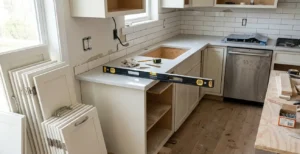
We have all seen the glossy magazine spreads and the perfectly curated Pinterest boards. They make it look so effortless, don’t they? You see a pristine marble island, gleaming brass hardware, and cabinetry that seems to go on for days. But what those photos do not show you is the journey it took to get there. They do not show the weeks of eating takeout because the stove was delayed, the frantic calls when the dishwasher didn’t fit the opening, or the regret of realizing the beautiful layout is actually a nightmare to cook in.
The truth is, kitchens are the most complex rooms in any home to renovate. They are the intersection of plumbing, electrical, gas, mechanical systems, and high-traffic structural demands. Because of this density, they are also the place where homeowners are most likely to experience “renovator’s remorse.” A simple oversight in the planning phase can snowball into a costly delay during construction.
At MPREX, we believe that a successful renovation isn’t just about the final reveal; it is about a process that respects your time, your budget, and your sanity. We want to help you navigate this minefield. By understanding the common pitfalls upfront, you can ensure your Toronto home upgrade is an investment you enjoy, rather than a mistake you live with.
Key Takeaways: Building It Right the First Time
- Function First: Never sacrifice workflow for aesthetics; a pretty kitchen that doesn’t function is a failed renovation.
- The Condo Factor: Toronto condo renovations require specific knowledge regarding board approvals, elevator bookings, and wet-stack limitations.
- Budget Buffer: Always allocate a 15–20% contingency fund for the surprises hiding behind your drywall.
- Lighting Layers: Relying solely on pot lights will leave you working in your own shadow; plan for task and ambient lighting early.
- Professional Planning: Most mistakes happen on paper before a hammer is even swung.
Why Kitchen Renovations Go Wrong (Even with Good Intentions)
It is rarely a lack of desire that sinks a project. Most homeowners we meet have great taste and a clear vision of the “vibe” they want. The disconnect usually occurs during execution. Why do smart, organized people still run into trouble?
Underestimating complexity
A kitchen isn’t just a room with cupboards. It is a machine. You are dealing with significant power loads for appliances, specialized venting for air quality, and precise plumbing gradients. Treating a kitchen overhaul like a bedroom paint job is a recipe for disaster. There are code requirements in Ontario that dictate everything from outlet spacing to clearance around islands. Ignoring these technical layers is one of the primary ways kitchen renovation mistakes begin.
Designing before understanding constraints
It is fun to dream about moving the sink to the island, but does your subfloor allow for the plumbing slope required to drain it? Can that wall actually come down, or is it holding up your second floor? One of the most common kitchen remodel mistakes to avoid is falling in love with a layout that your home’s structure simply cannot support without extensive structural intervention.
Choosing finishes before finalizing the layout
We get it. Picking out the backsplash tile is exciting. Deciding where the cutlery drawer goes is less thrilling. However, buying materials before the floor plan is locked is a classic error. You might purchase a stunning farmhouse sink only to realize it conflicts with the dishwasher placement you need for a functional workflow.
Planning Mistakes That Cause Regret Later
The blueprint phase is where you save money. It is much cheaper to move a line on a CAD drawing than to move a wall once it is framed.
Not defining how you actually use your kitchen
Be honest with yourself here. Are you a gourmet chef who uses six burners simultaneously? Or do you mostly reheat takeout and host cocktail parties? One of the subtle kitchen renovation planning mistakes is designing for a fantasy lifestyle rather than your real one. If you have kids who do homework at the island while you cook, you need a different setup than a couple who love formal dining.
Ignoring workflow and clearance requirements
You need space to open the oven door without hitting the island. You need room to stand at the sink without blocking the dishwasher. These clearances aren’t just suggestions; they are vital for daily comfort. Ignoring them leads to a cramped workspace where you are constantly bumping hips with your partner.
Skipping detailed pre-renovation inspections
This is where the scary stuff hides. Opening up a wall without checking for HVAC ducts, plumbing stacks, or electrical junctions can lead to immediate scope creep. A thorough site assessment by a team like MPREX ensures you know what you are dealing with before the demolition crew arrives.
Also Read: How to Find a Good Renovation Contractor Toronto
Layout and Design Mistakes to Avoid
The layout is the skeleton of your kitchen. If the bones are bad, the cosmetic finishes won’t matter.
Poor work triangle or work zone planning
The “work triangle” (sink, stove, fridge) is the classic rule, but modern kitchens often operate in “zones” (prep, cooking, cleaning). Failing to connect these logic points results in a kitchen where you walk a marathon just to make a sandwich. You want an organic flow, not an obstacle course.
Insufficient counter space
This is one of the top kitchen remodel regrets. You can never have too much prep surface. A common error is placing tall appliances (like a wall oven tower or fridge) right next to the stove or sink, effectively cutting off the landing space you need for hot pans or dirty dishes.
Islands that block movement
Islands are the number one request we get, but an island that is too big for the room is a nuisance. It becomes a barrier you have to constantly walk around. If your kitchen is narrow, a peninsula or a galley layout might actually offer better flow than forcing an island where it doesn’t fit.
Forgetting pantry and vertical storage
We often see designs that focus heavily on base cabinets but ignore the volume of dry goods a family consumes. Failing to plan for a dedicated pantry or floor-to-ceiling storage means your counters end up cluttered with cereal boxes and blenders.
Cabinet and Storage Mistakes
Your cabinetry consumes the largest portion of your budget, so getting it wrong stings the most.
Choosing style over function
Open shelving looks beautiful in photos, but are you prepared to dust your plates every week? Glass-front cabinets are elegant, but they require your dishware to be perfectly organized at all times. Prioritizing the “look” over the practical reality of maintenance is a trap.
Not planning for drawer depth and hardware
Standard drawers often aren’t deep enough for large soup ladles or pots. Deep drawers are generally more ergonomic than lower cupboards with doors (where things get lost in the back), but you need to specify the depth. Also, ensure your hardware (handles and knobs) doesn’t prevent internal drawers or adjacent appliances from opening fully.
Wasting corner and vertical space
Corners are notorious dead zones. Without a Lazy Susan or a specialized pull-out mechanism, that corner cabinet becomes a black hole where Tupperware goes to die. Similarly, not taking cabinets up to the ceiling is a waste of prime storage real estate and creates a dust trap on top of the uppers.
Lighting and Electrical Mistakes
A dark kitchen looks small and feels dirty, no matter how clean it is. Lighting needs to be a priority, not an afterthought.
Relying on one overhead light
A single grid of pot lights creates shadows directly on your workspace when you stand at the counter. You need layers: ambient light for general brightness, task lighting (under-cabinet strips) to illuminate your chopping board, and accent lighting (pendants) for style and mood.
Too few outlets (or poorly placed ones)
Code requires outlets at specific intervals, but you should go beyond the minimum. Think about where you plug in the coffee maker, the toaster, and the blender. Do you charge your phone in the kitchen? Incorporating USB ports or hidden charging stations prevents the “cord spaghetti” look.
Ignoring future appliance and tech needs
Smart fridges, induction cooktops, and steam ovens often have different power requirements than standard appliances. If you don’t upgrade your electrical panel or run the correct gauge of wire now, you might not be able to install that dream appliance later.
Also Read: Modern vs Traditional Kitchens: Which Style Fits Your Home?
Appliance and Ventilation Mistakes
Appliances are the workhorses of the room. If they don’t fit or function well, the renovation fails.
Selecting appliances before confirming dimensions
“Standard” size is a myth. A 36-inch fridge might actually require a 37-inch opening for door clearance. Buying appliances before the cabinetry design is finalized, or worse, finalizing cabinetry before selecting appliances, is a major gamble.
Poor ventilation planning (especially for condos)
We cannot stress this enough: grease and odours need somewhere to go. Recirculating fans (which just blow air back into the room) are rarely sufficient for serious cooking. In houses, venting outside is key. In condos, you are often limited to existing ductwork, which requires carefully selecting a hood fan that matches the building’s static pressure.
Undersized or noisy range hoods
A hood that sounds like a jet engine ensures one thing: you will never turn it on. Investing in a quiet, high-CFM (cubic feet per minute) unit is essential for keeping your new kitchen clean and grease-free.
Budget and Cost Mistakes That Derail Projects
Money is the biggest source of stress. Transparency is the antidote.
Not budgeting for hidden costs
Old wiring, uneven floors, or rot behind the sink are not visible during the initial quote. If you max out your budget on high-end marble and leave no contingency fund, these surprises can halt the project. Kitchen renovation cost mistakes usually stem from a lack of buffer.
Making changes mid-project
This is the silent killer of budgets. Deciding to move the stove *after* the plumbing and electrical rough-ins are done will cost you exponentially more than deciding it during the design phase. Change orders also kill timelines.
Overspending on low-ROI upgrades
It is easy to get carried away. Installing a $10,000 professional range in a mid-range neighbourhood home might not give you the Return on Investment (ROI) you expect. Balance your desires with your home’s market value.
Need a realistic view of what your project will cost?
Request a detailed kitchen renovation quote from us today to get clear numbers from the start.
Also Read: How to Choose the Best Kitchen Countertops: Granite, Quartz, or Marble?
Timeline and Project Management Mistakes
Time is money, and delays are frustrating.
Underestimating lead times
Custom cabinetry can take 8 to 12 weeks. High-end appliances can take six months. One of the classic kitchen renovation timeline mistakes is demolishing your old kitchen before your new materials have even shipped.
Poor sequencing of trades
You can’t paint before the drywall is sanded. You can’t install flooring before the plumbing rough-in is approved. Managing the choreography of electricians, plumbers, tilers, and carpenters requires professional oversight to avoid downtime.
Living without a kitchen longer than expected
Renovations are disruptive. If you haven’t set up a temporary kitchenette (microwave, hot plate, fridge) in the living room, the stress of living in a construction zone will wear you down quickly.
Also Read: Kitchen Renovation Timeline: How Long Does It Really Take?
Condo-Specific Kitchen Renovation Mistakes
If you are in a high-rise in the GTA, the rules of the game are completely different.
Ignoring condo rules and approvals
You cannot just start hammering on a Tuesday. You need board approval, which can take weeks. You need to book the service elevator for deliveries and debris removal. Ignoring these protocols can get your project shut down by property management immediately.
Underestimating work-hour restrictions
Condos usually have strict hours for noisy work (e.g., 9 am to 5 pm). This extends the timeline compared to a detached house renovation, where contractors might work later.
Venting and plumbing limitations
In a condo, you generally cannot move the toilet or the kitchen sink stack. You are tethered to the building’s infrastructure. Kitchen layout mistakes here often involve trying to force a design that the building’s mechanical systems physically cannot accommodate.
How to Avoid These Mistakes (Expert Playbook)
So, how do you ensure your project is a success story?
Plan layout before finishes
Resist the urge to buy the faucet until you know where the sink is going. Focus on the flow, the function, and the structural changes first.
Lock decisions early
Decision fatigue is real. Make your selections for tile, paint, and hardware early in the process and stick to them. This allows materials to be ordered and on-site when the trades are ready for them.
Demand a detailed scope and timeline
Ambiguity is the enemy. Your contract should outline exactly what is happening and when.
Would you like to see what a proper roadmap looks like?
Get an expert kitchen renovation plan that details every step of the process.
Work with a renovation team that designs and builds
When your designer and your builder are the same team, there is no finger-pointing. The person drawing the plans knows exactly what it costs to build them. This integrated approach is the best way to utilize kitchen renovation tips effectively.
From “Renovator’s Remorse” to “Chef’s Kiss”: Your Next Steps
We have covered a lot of ground, from the dangers of poor lighting to the nuances of condo boards. If there is one thing to take away, it is this: a successful kitchen renovation isn’t about luck; it is about preparation. The common kitchen renovation mistakes we discussed are entirely preventable with the right partner guiding you.
You deserve a kitchen that works as hard as you do, one that handles the morning rush and the Saturday dinner party with equal grace. Don’t let the fear of kitchen renovation checklist errors paralyze you. Instead, lean on experience.
If you are ready to stop worrying about what could go wrong and start planning what will go right, we are here to help.
Book a kitchen renovation consultation with MPREX today. Let’s build a kitchen you’ll love for a lifetime.


