
The Hidden Costs of Home Renovations (And How to Avoid Them)
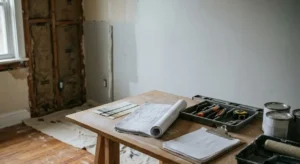
We have all heard the stories. A friend or neighbour starts a kitchen remodel with a bright vision and a strict timeline, only to end up months later with a half-finished room and a budget that has ballooned well past the original plan. It is the classic renovation nightmare, and frankly, it is enough to make anyone hesitant about picking up the sledgehammer.
But here is the truth: renovations almost always cost more than the initial napkin math suggests. However, there is a massive difference between unexpected costs (the bad luck of finding a structural surprise) and unplanned costs (the result of vague estimates). At MPREX, we believe that clarity beats fear every time. By understanding the hidden costs of home renovations, you can stop crossing your fingers and start planning with confidence.
Key Takeaways
- The Planning Gap: Most overruns stem from vague initial scopes rather than “bad luck.”
- The 15% Rule: A healthy renovation contingency budget Canada experts recommend is between 10% and 20% of your total project cost.
- Infrastructure First: Budget for what’s behind the walls (wiring, plumbing) before splurging on finishes.
- Time is Money: Delays in materials or decision-making translate directly into increased labour and living costs.
- Transparency Wins: A detailed, line-item quote is your best defence against scope creep.
Why Renovation Budgets So Often Go Over
It is rarely one single catastrophe that breaks the bank. Instead, it is usually a “death by a thousand cuts” scenario where small omissions stack up. To understand why renovations go over budget, we have to look at how the project starts.
The planning gap most homeowners don’t realize exists
Many homeowners fall into what we call the “Pinterest Trap.” You know exactly what you want the finished room to look like, but the roadmap to get there is blurry. When a scope of work is defined by aesthetics rather than construction reality, gaps appear. If the plan says “install new island” but fails to specify moving the plumbing stack located inside the current wall, you have just found your first cost overrun.
Why online cost estimates are misleading
We love the internet, but online renovation calculators are notoriously unreliable. They provide national averages that don’t account for the specific labour market in Toronto or the quirks of your specific property. An online tool doesn’t know your Victorian row house has lath-and-plaster walls that take three times as long to demo as drywall. Relying on these generic figures is one of the most common home renovation budget mistakes.
The difference between price uncertainty and poor transparency
There is legitimate price uncertainty (like lumber prices fluctuating), and then there is poor transparency. If a contractor gives you a quote that seems too good to be true, it likely is. Vague allowances and undefined scopes are often low-balled to get you to sign on the dotted line, only for the real costs to emerge later as “extras.”
The Most Common Hidden Renovation Costs (Explained)
Let’s peel back the layers (literally and figuratively) to see where the money actually goes. These are the technical realities that often catch homeowners off guard.
Demolition surprises (what’s behind the walls)
You cannot have X-ray vision, and sometimes, neither can we until we open things up. Demolition surprises are the most cited reason for unexpected renovation expenses.
- Water damage: A slow leak behind a shower tile might have rotted the subfloor years ago.
- Mould: If we find it, remediation is not optional; it is a health and safety requirement.
- Structural issues: Someone in the 1980s might have cut a joist to run a pipe. We have to fix their mistake to ensure your home is safe.
Electrical upgrades you didn’t budget for
In older Toronto homes, electrical surprises are par for the course.
- Outdated wiring: If we open a wall and find knob-and-tube wiring, we are legally required to replace it in that area.
- Panel capacity: That new induction cooktop and spa bathroom might require more power than your current 100-amp panel can handle.
- Code compliance: Electrical codes change. What was standard ten years ago might not pass inspection today.
Plumbing issues in older homes
Plumbing offers similar challenges.
- Galvanized pipes: These older pipes rust from the inside out, restricting water pressure.
- Drain slope problems: Moving a toilet seems simple until you realize the floor joists won’t allow for the proper drain slope without significant structural work.
- Fixture compatibility: Buying a fancy faucet from Europe? It might not fit standard Canadian plumbing rough-ins without expensive adapters.
Permits, inspections, and compliance costs
Many homeowners ask if they can skip the permit. The answer is generally no. Renovation permits cost Canada homeowners money upfront, but getting caught without them costs significantly more in fines and work stoppages.
- When permits are required: Structural changes, new plumbing, and electrical work almost always need city approval.
- Why skipping them backfires: Beyond fines, unpermitted work can void your home insurance and kill a future sale of your property.
Also Read: Professional Vs DIY Home Renovation: Which Is Right For You?
“Small” Decisions That Quietly Increase Costs
Not every cost is a surprise lurking in the walls; some come from the decisions made during the process.
Scope creep and mid-project changes
This is the “while you are here” phenomenon. You decide to add pot lights in the hallway since the electrician is already in the kitchen. It seems small, but these renovation change orders add up rapidly. It changes the schedule, requires more materials, and keeps the trades on-site longer.
Material upgrades made too late
You budgeted for ceramic tile, but then you fell in love with marble. The cost difference isn’t just the price of the stone; marble requires a specialized installer, different setting materials, and more time to cut. The ripple effect of material changes is a major driver of renovation cost overruns.
Design indecision and delayed approvals
If the tiler is scheduled for Tuesday but the tile hasn’t been selected yet, the work stops. You might have to pay a “wasted day” fee, or, worse, lose your slot in the contractor’s schedule, pushing the project back by weeks.
Timeline Delays That Turn Into Real Money
Time is perhaps the most insidious hidden cost.
Material backorders and substitutions
Supply chains have been unpredictable lately. If a critical component (like a custom window) is backordered, the entire project can stall. You might be forced to pay a premium for an in-stock alternative to keep things moving.
Trade scheduling and labour availability
Good tradespeople are busy. If a delay on your end causes us to miss the window for the plumber, we cannot always just get them back the next day. They have other jobs booked. Delays inevitably lead to extended timelines.
Living-in-reno costs (temporary housing, meals, storage)
Have you calculated the cost of *not* having a kitchen for 12 weeks?
- Takeout and dining out: This can easily run $1,000+ per month for a family.
- Temporary housing: If the dust becomes too much, you might need an Airbnb.
- Storage: Protecting your furniture might require renting a storage unit or a portable container.
Condo Renovations — Hidden Costs Owners Often Miss
If you live in a high-rise, you have an extra layer of complexity.
Approval timelines and administrative fees
Condo boards move at their own pace. You might need to pay a damage deposit for the elevator, a review fee for the property management’s engineer, and wait weeks for board approval before we can even hammer a nail.
Work-hour restrictions and extended schedules
In a house, we might work from 7 AM to 5 PM. In a condo, noise rules might restrict noisy work to 9 AM to 4 PM. That reduces our daily productivity by 30%, meaning a 3-week job becomes a 4-week job. Labour costs rise accordingly.
Insurance, deposits, and restoration requirements
Condos often have strict insurance requirements and may demand that common areas (hallways, elevators) be protected with specific materials. If the movers scratch the elevator door, your deposit is gone.
Which Hidden Costs Are Unavoidable (And Which Aren’t)
It is important to distinguish between bad luck and bad preparation.
Truly unpredictable issues
Finding a structural crack in the foundation after removing drywall is unavoidable. No amount of planning can see through concrete. These are the risks of homeownership, and this is exactly what your contingency fund is for.
Costs that signal poor planning
Running out of tile because the waste factor wasn’t calculated? That is avoidable. Having to move a wall twice because the cabinet design was wrong? Completely avoidable. These are not “hidden costs”; they are errors.
Red flags in renovation quotes
If a contractor gives you a quote on the back of a napkin, run. A lack of detail means they haven’t thought through the project. How to avoid renovation cost overruns starts with rejecting vague proposals.
Also Read: How Much Does a Kitchen Renovation Cost in Toronto?
How to Protect Your Renovation Budget (Practical Playbook)
You are not helpless here. You can take steps to insulate your wallet.
Build the right contingency (and when to use it)
For a typical renovation, set aside 10-15%. For an older home (pre-1950s), aim for 20%. This money is not for upgrades; it is for the “oh no” moments. If you don’t use it, great! Treat yourself to new furniture at the end. This is the essence of a solid renovation contingency budget Canada.
Ask for a scope-driven estimate, not a square-foot price
Square-foot pricing is for new builds, not renovations. Ask for a quote that details exactly what is happening in every room. Get a transparent renovation cost assessment to see the difference a detailed breakdown makes.
Understand allowances vs fixed costs
An “allowance” is a placeholder budget for materials you haven’t picked yet (like flooring). If the allowance is $5/sq. ft., but you pick a floor that is $12/sq. ft. ft., you pay the difference. Ensure the allowances in your contract are realistic for the quality you expect.
Demand clarity on change orders
Ensure your contract specifies how changes are handled. It should require your signature and a stated price *before* the extra work begins. This prevents the shock of a massive final invoice.
Also Read: Vinyl vs Hardwood vs Laminate Flooring: Which One Should You Choose?
Questions to Ask Before Hiring a Renovation Contractor
Interviewing a contractor is like interviewing a financial partner. You need to trust them with your money.
How do you handle hidden issues when they arise?
A good contractor will tell you their process: “We stop work, document the issue with photos, present you with options and costs, and wait for your approval.”
What’s included — and excluded — from this quote?
Ask specifically about permit fees, rubbish removal, and final cleaning. These are often left out of the initial number to make it look smaller.
How are changes priced and approved?
If they say “we’ll figure it out later,” that is a red flag. You want a structured process.
Who pulls permits and coordinates inspections?
For a major renovation, the contractor should handle this. If they ask you to pull the permit as a “homeowner,” you are taking on all the liability. Talk to an MPREX renovation expert if you are unsure about the liabilities involved in your project.
Renovation Costs Don’t Have to Be a Surprise: Investing in Certainty
Renovating shouldn’t feel like gambling. While we can’t control what was built behind your walls fifty years ago, we can control how we plan for it. The difference between a horror story and a dream home usually comes down to the quality of the preparation.
Why transparency matters more than the lowest quote
The lowest quote often wins the job, but rarely finishes it at that price. By the time the change orders pile up, the “cheap” contractor often costs more than the professional who quoted accurately from the start.
How MPREX approaches renovation planning differently
At MPREX, we don’t believe in guesstimates. We believe in forensics. We anticipate the problems common to Toronto homes and build them into our planning. We would rather have a hard conversation about budget now than a panicked one when your kitchen is torn apart.
Are you ready to see what a truly thoroughly planned project looks like?
Request a detailed renovation quote today, and let’s build a budget that actually works.


