
Bathroom Renovation Mistakes to Avoid: Tips from Expert Contractors
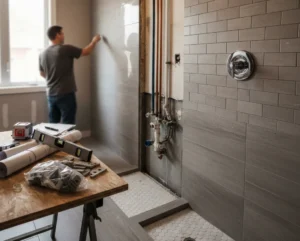
Bathroom renovations are one of the most common, and unfortunately, one of the most mistake-prone, home improvement projects a property owner can undertake. Whether you are dealing with a cramped powder room in a downtown condo or a sprawling master ensuite in an older detached home, the stakes are high. From poor layout decisions to cutting corners on waterproofing, small missteps can lead to major costs, delays, and long-term damage, especially in older homes and condos across the Greater Toronto Area.
Swapping out tiles or a vanity may seem like a quick weekend project, but bathroom renovations are usually more complex. This guide pinpoints the most common renovation mistakes contractors see, explains why they happen, and helps you avoid them, so your project adds value, not headaches. We want to ensure you’re not flushing money down the toilet.
Key Takeaways for Your Renovation
- Plan First, Demo Later: Never start tearing down walls until you have a finalized budget and a clear design plan to avoid costly scope creep.
- Waterproofing is King: Aesthetic upgrades mean nothing if water damage rots your framing; prioritize membranes, which are waterproof barriers installed behind tiles, and ensure proper ventilation, which is the removal of humid air through exhaust fans.
- Respect the Infrastructure: Moving plumbing and electrical lines is the quickest way to blow a budget, so work with your existing footprint whenever possible.
- Think Resale: Avoid hyper-personal trends and over-improvements that exceed your neighbourhood’s ceiling value.
- Hire Pros: Licensed trades protect your home’s safety and its future insurability.
Why Bathroom Renovations Go Wrong So Often
It’s a fair question to ask. Why is the smallest room in the house often the biggest source of stress? The answer lies in density. Bathrooms combine plumbing, electrical, ventilation, and high-end finishes into very tight spaces. Unlike a living room, where you just have drywall and flooring, a bathroom is a complex machine hidden behind a pretty face.
In the GTA specifically, older housing stock increases hidden risk. You open a wall in a High Park Victorian, and you might find knob-and-tube wiring or plumbing from the 1950s that needs a total overhaul. Furthermore, condo restrictions and approvals add complexity that suburban homeowners might not face. Budget pressure often leads to short-term decisions with long-term consequences, creating a perfect storm for errors.
Mistake 1 – Renovating Without a Clear Plan or Budget
We have all seen it happen. A homeowner gets excited about a clawfoot tub they saw on Pinterest and starts demolition before they have priced out the labour to install it. This is the cardinal sin of renovation planning mistakes.
Why this causes problems
Renovating without a roadmap leads to scope creep. You decide to move the toilet “just a few inches” without realizing that this requires moving the stack, which in turn affects the floor joists. Suddenly, your budget is blown. Mid-project design changes are the primary driver of bathroom renovation costs spiralling out of control. It also creates chaos for contractor scheduling; if you change your mind on tile, your tiler might leave for another job while you wait for new material.
What experts recommend
The golden rule is to finalize your layout, fixtures, and finishes before a single hammer swings. You should know exactly where every towel bar is going. Align your budget with your property value and renovation goals early on. If you are flipping, your budget looks different from if you are planning to age in place.
Mistake 2 – Cutting Corners on Waterproofing and Ventilation
It is easy to spend money on things you can see, such as a gold faucet or a marble countertop. It is much harder to spend money on things you cannot see, such as Schluter membranes (waterproofing barriers for wet areas) or high-CFM (cubic feet per minute) exhaust fans. However, ignoring these is one of the most dangerous common renovation mistakes.
Why this is one of the most expensive long-term mistakes
Water is the enemy of a house. If you rely solely on tile and grout to keep water out, you are asking for trouble because grout is porous. Without proper waterproofing, moisture seeps into the subfloor and studs, leading to mould, rot, and structural damage that might not appear for years. Additionally, poor ventilation leads to peeling paint and mildew growth.
Expert tips
Invest in proper membrane systems behind your shower walls and under your floors. Ensure you have quality exhaust fans vented correctly to the exterior, not just into the attic (a common issue in older Toronto homes). Most contractor bathroom tips always emphasize waterproofing beyond the visible tile. It is the insurance policy for your renovation.
Mistake 3 – Poor Layout and Space Planning
You might dream of a double vanity, but if it means the bathroom door hits the toilet every time you open it, you have failed the functionality test.
Common layout errors
Oversized vanities often crowd small bathrooms, leaving little space. Ignoring required clearances, such as in front of toilets or shower entries, results in cramped, awkward layouts. Poor door swings or fixture placement can turn routines into daily obstacles.
How contractors plan for function first
Experts look at traffic flow. Can two people actually use this space at once? They assess storage needs realistically rather than just aesthetically. Accessibility considerations are also vital; curbless showers and wider doorways are not just for the elderly; they are smart design features that increase the pool of potential buyers.
Also Read: 15 Renovation Mistakes Every Homeowner Should Avoid
Mistake 4 – Choosing Style Over Durability
Trends are fun, but they are also fleeting. Installing heavily patterned cement tiles might look great on Instagram today, but in five years, it might look like a dated mistake.
Why trendy finishes can backfire
High-maintenance materials are a major pain point. Porous natural stone needs sealing; cheap laminate swells with moisture. Slippery flooring is a safety hazard no homeowner wants to deal with. Finishes that age poorly often end up on “what not to do” lists for bathroom remodels very quickly.
What buyers and contractors prefer
If you want to protect your investment, lean toward timeless, neutral palettes. You can always add personality with paint, towels, and art. Choose durable tile, such as porcelain, and quality fixtures that can withstand daily use. Easy-to-clean surfaces are always a selling point. Remember, bathroom renovation ROI relies heavily on the space looking good five or ten years from now, not just on reveal day.
Mistake 5 – Ignoring Plumbing and Electrical Realities
This is where the rubber meets the road, or where the drill meets the pipe. Many homeowners treat a bathroom layout like a blank canvas, forgetting that gravity and voltage dictate what is actually possible.
Why moving fixtures increases cost quickly
Drain slope limitations are real. You cannot just put a toilet anywhere; the waste pipe needs to slope down at a specific grade to allow gravity drainage. If you move a toilet across the room, you might need to rip up the entire floor structure to accommodate the pipe. Electrical upgrades and GFCI (Ground-Fault Circuit Interrupter) requirements are also non-negotiable for safety. Older homes often lack the electrical panel capacity for heated floors or steam showers.
When layout changes make sense, and when they don’t
If the current layout is truly dysfunctional, spending the money to move plumbing is worth it. However, if you are moving a sink six inches just for symmetry, you are likely wasting money that could be better spent on high-quality finishes.
Mistake 6 – Underestimating Labour and Timeline
“It will be done in two weeks.” If you hear this, run. Reality TV has skewed our perception of how fast construction happens.
Why bathroom renovations take longer than expected
A bathroom involves demolition, framing, plumbing, electrical, boarding, waterproofing, tiling, painting, and fixture installation. These trades cannot all work on top of each other in a 5×8 room. Trade coordination is a delicate dance. Inspection scheduling with the city can add days or weeks of downtime. Material lead times are also unpredictable; that custom vanity might take 12 weeks to arrive.
How experts build realistic schedules
Professionals use trade sequencing to ensure efficiency. They build in buffer days for the inevitable surprises (like finding mould behind the old tub). Clear contractor communication regarding these timelines manages expectations so you are not left showering at the gym for a month longer than planned.
Mistake 7 – Skipping Permits or Hiring Unqualified Trades
The “handyman special” is a tempting route to save a few bucks, but it is often the most expensive route in the long run.
Risks of cutting corners
Skipping permits is illegal and dangerous. If you do unpermitted work and a pipe bursts, flooding your neighbour’s condo, your insurance may deny the claim. Failed inspections can force you to tear out finished work to expose what is behind the walls. This creates significant resale complications when savvy buyers ask for permit history.
Why licensed, insured professionals matter
Licensed professionals offer accountability. They carry liability insurance and WSIB coverage. They ensure code compliance, which is critical for your safety and the home’s value. Long-term protection comes from knowing the job was done to code, not just “good enough for now.”
Also Read: Find the Best Renovation Contractor in Toronto
Mistake 8 – Over-Improving for the Property or Neighbourhood
We love a luxury spa bathroom, but does a heated bidet belong in a starter rental unit? Probably not.
Why luxury bathrooms don’t always pay off
There is a concept called diminishing returns. If you spend $50,000 on a bathroom in a house capped at $800,000 in market value, you will not get that money back. Mismatch with buyer expectations is a real risk; buyers in certain price brackets expect durability and function, not gold-leaf ceilings. Appraisal limitations mean the bank might not value your renovation as highly as you do.
How to align spend with market value
Check what is standard in your area. If every house on your street has laminate counters, putting in quartz is a smart upgrade, but semi-precious stone is likely over-improving. Keep your renovation aligned with regional market trends and Toronto Real Estate Board data to ensure your spend makes sense.
How Bathroom Renovation Mistakes Affect Resale Value
When a potential buyer walks into a bathroom, they are looking for reasons to reduce their offer. Visible mistakes are red flags; it might sound strange, but it’s the reality.
Buyer red flags during showings
Uneven tilework, sloppy caulking, or a shower door that leaks suggest the entire house was poorly maintained. These visual cues kill buyer confidence.
Inspection issues and renegotiations
If a home inspector finds a lack of GFCI outlets or evidence of a slow leak, the buyer will likely reopen negotiations. They might ask for a massive price reduction to cover the risk of a “gut job.”
Appraisal and financing complications
Banks want to know the asset is sound. Unfinished renovations or obvious code violations can complicate financing for buyers, leading to deals falling through.
Perceived maintenance risk
Most buyers want move-in ready. If your resale bathroom upgrades look like they will require immediate maintenance, buyers will deduct that cost (and the hassle factor) from their offer price.
Also Read: Walk-In Showers vs Bathtubs: Which Is Right for Your Bathroom Renovation?
Contractor-Approved Tips for a Successful Bathroom Renovation
So, how do you win? Here is the cheat sheet from the pros.
Spend on structure, not just finishes.
Good bones matter more than pretty faucets. Fix the subfloor, upgrade the insulation, and ensure the framing is square.
Prioritize waterproofing and ventilation.
We cannot stress this enough. It is the lifeblood of a durable bathroom.
Keep layouts efficient.
Work with existing plumbing where possible to save on bathroom renovation costs.
Choose durable, neutral materials.
This ensures your design appeals to the widest range of people and stands up to daily wear and tear.
Plan for long-term maintenance.
Make sure plumbing access panels are accessible. Choose grout colours that do not show dirt instantly.
How MPREX Helps Homeowners Avoid Costly Renovation Mistakes
Navigating the world of renovations requires more than just good taste; it requires strategic insight into property value. At MPREX, we provide pre-renovation property value assessments to help you understand your home’s current standing. We offer guidance on ROI-appropriate bathroom upgrades, ensuring you put your money where it matters most.
Whether you are debating a full gut or a cosmetic refresh, we offer advice on avoiding over- or under-improvement based on your specific neighbourhood data. Our goal is strategic planning for resale, rental, or long-term ownership, ensuring every dollar you spend contributes to your property’s equity.
Smart Renovations Build Lasting Value
A bathroom renovation is a significant undertaking, but it does not have to be a disaster or blow your budget out of the water. By avoiding these common pitfalls, like skipping permits, ignoring layouts, or forgetting the budget, you protect your investment and your sanity. The difference between a renovation that boosts your property value and one that drains your bank account lies in the planning. Remember that the most beautiful bathroom is the one that functions perfectly, keeps water where it belongs, and retains its value for years to come.
Planning a bathroom renovation and want to avoid costly mistakes? Contact MPREX for expert renovation guidance, property valuation insights, and resale-focused advice.


