
How Long Does a Basement Renovation Take? Timeline Explained
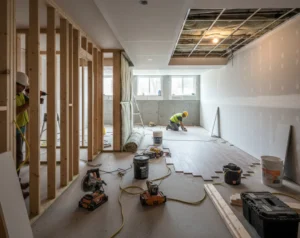
Most homeowners have the same question long before the first hammer swings: how long does a basement renovation take? And honestly, it is a very fair question because you need to be able to plan. Renovations affect everything: routines, noise levels, and, often, your sanity. Between moisture surprises, layout changes, and waiting for permits, it can feel like trying to predict the weather in April or when the Maple Leafs will win a Stanley Cup.
And that’s exactly why understanding the basement renovation timeline matters. When you know the process, you can plan around it, stay ahead of scheduling stress, and enjoy a smoother, less chaotic experience, which is a win all around. At MPREX Inc., located right here in Toronto, we take pride in our realistic timelines, transparent communication, and step-by-step planning so homeowners always know what is coming next. No guesswork. No vague “we’ll see” answers. Just clear expectations and a renovation process that respects your home and your time.
Key Takeaways
- A typical basement renovation takes 6 to 12 weeks, depending on complexity.
- Moisture issues, plumbing additions, and permit timelines are the most significant factors that affect duration.
- Finalizing decisions early helps keep your renovation on schedule.
- Quality planning makes the difference between a smooth project and one filled with stop-and-go delays.
Factors That Influence Basement Renovation Duration
Most of us have watched home improvement shows before, where everything always looks neat, quick and easy. Well, unfortunately, real-life renovation timelines look very different because for TV, they cut out all the building code requirements, inspections (unless amped up for drama), and the inevitable curveballs hiding behind old drywall. So what actually affects how long it takes to finish a basement? Let’s walk through the most common variables.
Existing Condition of the Basement
Right from the get-go, there’s a vast difference between starting with bare concrete walls or a previously finished space.
- Unfinished basements tend to be more predictable because crews are working with a blank slate.
- Previously finished basements can hide surprises like old wiring, improvised plumbing, or outdated insulation, plus they also usually involve demolition, which adds another time factor to the mix.
It is a bit like buying a used car. Looks shiny on the outside, but you never know what is happening under the hood until you take a closer look.
Moisture or Waterproofing Work
Many basements suffer from moisture, which is something most homeowners wish they could ignore, but absolutely should not. So, if your basement needs basement waterproofing preparation, foundation repairs, or a new sump pump, it will add more time to the project. The good news, though: addressing moisture early prevents mould, odours, and structural damage later on, so this is a big one.
Layout Changes
Many basement remodels change the layout to improve the flow, add better partitions, or just open it all up. As you can see, this adds time to the project because it changes the scope. Depending on the extent, you might also obtain permits, schedule trades, and address structural considerations.
Plumbing Additions
Want to add a bathroom, laundry room, or bar sink? Well, that requires plumbing rough-ins and inspections, which push the timeline out. Plumbing is one of the most influential factors in predicting how long it will take to finish a basement, especially if drains need reconfiguring, because then you’re looking at tearing up the floor as well.
Permit and Inspection Timelines
Want to throw in a real variable? Enter permits and inspections. If your renovation involves structural changes, plumbing, or electrical updates, you will need permits, and cities across the GTA move at different speeds (yes, this is all at the municipal level), and approval times can range from 2 weeks to over a month. This is an essential part of the basement permit process, and MPREX handles it on your behalf.
Material Availability and Custom Selections
Specialty items, custom cabinetry, unique tiles, or specific finishes can delay your project if supply chains slow down. Choosing materials early helps avoid the most common delays.
Also Read: How Much Does a Basement Renovation Cost in Toronto?
Typical Basement Renovation Timeline (Step-by-Step)
Every basement is unique, so we can’t give you any exact numbers, but most projects follow the same seven core basement renovation phases. So we can give you an idea by going through a typical basement renovation.
Step 1: Consultation and Planning (1 to 3 Weeks)
Think of this as the blueprint for success. Everything starts with a thorough consultation and careful basement design and planning, which are indispensable for getting the project off to a good start. During this phase, MPREX meets with you to measure the space, understand your goals, explore design ideas, and review your budget.
Together, we talk through questions like:
- Do you want an open-concept layout?
- Are you adding a bathroom?
- Do you need a rental suite compliant with local codes?
- Is soundproofing important for a home theatre?
The more detailed the planning, the smoother the ride. As the saying goes, “measure twice, cut once.” That definitely applies here.
Step 2: Permits and Drawings (2 to 6 Weeks)
Depending on the municipality you live in and how complex the renovation is, obtaining permits can take anywhere from a couple of weeks to more than a month. This phase also includes architectural drawings, plumbing plans, structural details, and everything needed to comply with the Ontario Building Code, so a lot of paperwork and not much visible movement.
If you’re one of the people who hear “permits” and feel your stress level spike, don’t worry, you are far from alone. The good news is that MPREX handles applications, submissions, communication with municipal offices, and scheduling. Permits may not be glamorous, but they are essential for a legal, safe renovation.
Step 3: Moisture Prevention and Preparation (1 to 2 Weeks)
In this step, MPREX inspects your foundation, checks moisture levels and ensures there’s no mould or hidden dampness that could become a problem later. Some homes may need interior (or exterior) waterproofing, crack repairs, or sump pump adjustments. This step is critical because it protects your investment and ensures your basement stays dry and comfortable for the long haul. The last thing you want is a beautiful renovation to get ruined by water seeping in later.
Skipping this step is a bit like painting over rust. It may look fine at first, but the problem always comes back.
Step 4: Framing, Electrical and Plumbing Rough-Ins (1 to 3 Weeks)
Now, we finally get to the moving parts. Walls go up. Rooms take shape. Electrical lines and plumbing pipes are roughed in. This is when the dream starts to feel real.
Framing is often a really straightforward process, but plumbing and electrical work include inspections that must be passed before the work continues. Proper sequencing matters here. For example:
- Plumbing rough-ins happen before insulation.
- Electrical rough-ins must be approved before drywall is installed.
This stage requires coordination, and that’s where an experienced basement finishing contractor like MPREX becomes invaluable to avoid unnecessary delays.
Step 5: Insulation and Drywall (1 to 2 Weeks)
Basements are generally colder than main floors, and, knowing Ontario winters, you know it can get a little chilly. Proper insulation makes your basement warm, energy efficient, and healthy. All insulation methods we use fully align with Ontario Building Code standards, followed by a detailed drywall installation timeline that includes:
- Hanging sheets
- Taping
- Mudding
- Sanding
One thing you’ll have to expect is a bit of dust and a bit of noise. And drywall is the stage where you might ask yourself, “Are we almost there yet?” And the answer is: you are getting close.
Step 6: Flooring, Trim, Paint and Finishes (2 to 4 Weeks)
Now, things are really starting to come together. Once drywall is complete, crews move on to flooring, doors, trim, paint, cabinetry, feature walls, and all the finishing touches, so you can literally see everything take shape.
The exact timeline depends on your material choices. For example:
- Vinyl plank flooring installs faster than tile.
- Custom millwork takes longer than standard trim.
- Feature walls or built-ins add time to the craftsmanship.
Step 7: Final Inspection and Walkthrough (1 Week)
We’re almost there, because the final step includes all the safety checks, quality reviews, last-minute touch-ups, and a homeowner walkthrough. We ensure that everything functions properly, all fixtures are installed correctly, and the space is ready to enjoy.
Once this is complete, you get the keys (well, metaphorically) to a beautifully transformed basement.
Also Read: Basement Finishing vs Basement Remodeling: What’s the Difference?
Timeline Comparison
If you’re now wondering how a basement renovation stacks up to other home projects? In general:
- A full basement renovation takes 6 to 12 weeks.
- A main-floor renovation can take 3 to 6 months.
- An addition can take 6 months or more.
Basements typically move faster because there’s no exterior construction, and weather doesn’t interfere with progress. That said, basements are still highly technical spaces that require plumbing, electrical, ventilation, and moisture control.
Common Delays and How MPREX Helps Prevent Them
Unfortunately, even the best-planned renovation can face delays. The trick is knowing how to prevent them, and MPREX has systems in place to stay ahead of common hurdles.
Permit Approval Delays
As we mentioned before, this is one of the biggest variables because municipal offices can be slow at certain times of year. MPREX submits paperwork early to avoid bottlenecks and keeps you updated on progress.
Material Lead Times
Some items take weeks to arrive, especially if you go with any custom cabinetry or special flooring. By finalizing selections early, you prevent last-minute panic and scheduling gaps, and we can order everything ahead of time for a smooth reno.
Inspection Scheduling
Inspections must be done in a specific order as the renovation progresses. MPREX schedules them proactively to keep the basement construction schedule on track.
Hidden Moisture Issues
Moisture surprises are no picnic. MPREX checks for moisture during the early phases to ensure the basement is safe to close up, so we can avoid water ingress later, which can lead to mould, mildew, or damage.
Tips for Homeowners to Keep the Project on Schedule
You actually play a bigger role than you might think in keeping the timeline running smoothly. Here are a few ways to help your renovation stay on track.
Finalize Design Decisions Early
Changing your mind mid-project can create a ripple effect that affects every phase that follows. If you know you want that accent wall or custom bar, lock it in early.
Avoid Scope Changes
Scope changes can feel harmless at first glance, but they can add serious time, labour, and sometimes new permits. When possible, stick to the original plan.
Select Materials in Advance
Choosing flooring, tiles, or lighting ahead of time ensures materials arrive when crews need them, especially if it’s not standard stuff.
Ensure the Basement Is Accessible
This one should come without saying, but clear access helps trades move quickly and safely. Simple things like keeping pathways open can shave hours off a week.
Why Work With MPREX
Homeowners across Toronto trust MPREX for basement renovations because we treat homes with the care they deserve. Working with us means you benefit from:
Proven Scheduling and Workflow Systems
We follow a well-structured process we’ve spent years on perfecting that ensures every phase of the renovation is completed efficiently and on time.
Clear Communication From Start to Finish
We keep you updated at every step. No vague answers. No radio silence.
Skilled Trades With Basement Expertise
Basements require specialized knowledge, and from insulation to moisture control to proper electrical placement, our tradespeople understand the science behind building safe, healthy lower levels.
Renovations Built to Last
Your basement should feel warm, dry, comfortable, and code-compliant for years to come.
Your Renovation Timeline, Made Clear and Manageable
A basement renovation is a major investment, and understanding the timeline can make the entire journey much smoother by helping you plan your life around it. From planning and permits to drywall and finishing touches, each phase plays an important role in creating a functional and comfortable space that meets your goals.
A typical project takes 6 to 12 weeks, but, as mentioned, many factors can affect the schedule, from moisture and plumbing to permits and design complexity. With MPREX, you get clear communication, proactive planning, professional trades, and a team that treats your home like their own.
If you are ready to take the next step, we are here to help.
Planning a basement renovation? Contact MPREX for a timeline and project consultation.
FAQs
Can a basement be renovated faster if I skip permits?
Technically, yes. Legally and safely, absolutely not. Skipping permits can lead to fines, insurance issues, and future problems when selling your home. In the worst case, the municipality can even demand that all renovations be reversed.
Does adding a bathroom make the project longer?
Yes. Plumbing additions add rough-in time, inspections, and finishing work. But they also add value to your home, so many homeowners feel the extra time is worthwhile.
Is it possible to live in the house during the renovation?
Yes. Most families stay home during basement renovations because crews work primarily below the main living space.
What if moisture is discovered mid-project?
If unexpected moisture appears, work pauses temporarily to address it safely. It is always better to resolve it upfront than risk long-term damage.


